
Most people finish a session in the mineral pool feeling noticeably different from how they started, looser, calmer, ready to sleep. That’s not just the warm water. Magnesium plays a real role, and it’s worth understanding what it’s doing and why so many people end up making it a regular part of how they recover.
Why magnesium matters
Magnesium is involved in over 300 enzymatic processes in the human body, energy production, protein synthesis, nerve transmission, blood glucose regulation, muscle contraction and release. It’s not a trendy supplement. It’s a foundational mineral that the body depends on constantly.
The problem is that most people aren’t getting enough of it. Australian soils are relatively magnesium-depleted compared to historical levels, which means produce contains less than it used to. Processing strips more out. And lifestyle factors (high stress, alcohol, caffeine, intense exercise) all accelerate how quickly the body burns through its stores.
Estimates vary, but research suggests that somewhere between 50 and 75 per cent of people in Western countries have magnesium intakes below recommended levels. The symptoms are easy to miss because they’re also symptoms of other things: fatigue, poor sleep, muscle cramps, anxiety, and headaches.
Signs your levels might be low
- Muscle cramps or spasms, especially at night
- Difficulty falling or staying asleep
- Persistent fatigue that isn’t explained by activity levels
- Anxiety or a heightened stress response to ordinary situations
- Frequent headaches or migraines
- Feeling generally tense, physically or mentally, without a clear cause
None of these are definitive on their own, and they can all have other causes. But if several of them sound familiar, magnesium is a reasonable place to look.
Does magnesium actually absorb through skin?
This is the question that comes up most often, and the honest answer is: the evidence is mixed, but increasingly points toward yes, with some important context.
The skin isn’t completely impermeable. It’s a semi-permeable membrane, and certain molecules cross it under the right conditions, particularly when the skin is warm, pores are open, and the mineral concentration in the water is high. Heat is the key variable here, which is why a warm mineral bath produces different results to a cold one.
A 2017 study published in PLOS ONE found measurable increases in blood magnesium levels after participants soaked in magnesium sulphate baths, with higher concentrations and longer soak times producing stronger results. Earlier research from the University of Birmingham reached similar conclusions. The absorption rate is not as high as oral supplementation, but it appears to be real, and it may be more bioavailable, meaning the body uses what it absorbs more efficiently.
The scepticism around transdermal magnesium largely comes from early studies that used low concentrations or short soak times. A properly prepared mineral pool held at a therapeutic temperature for 20–30 minutes is a different condition to a quick bath.
What soaking in a magnesium pool actually does
Sleep quality
Magnesium regulates melatonin and activates GABA receptors, the same pathway that many sleep medications target. Low magnesium is consistently associated with poor sleep. Many people report noticeably deeper sleep the night after a mineral pool session.
Muscle recovery
Magnesium is directly involved in muscle relaxation. After contraction, muscles need magnesium to release. When levels are low, muscles stay in a partially contracted state, which is what causes cramping and that “tight” feeling that doesn’t respond well to stretching.
Stress and anxiety
Magnesium suppresses the release of stress hormones and moderates the nervous system’s response to perceived threats. Chronically low magnesium amplifies the stress response, making stressful situations feel more overwhelming. Replenishing it doesn’t eliminate stress, but it lowers the baseline reactivity.
Blood pressure
Magnesium helps relax blood vessel walls, which has a mild but measurable effect on blood pressure. It works best as a complement to other lifestyle factors rather than a standalone intervention, but regular soaking is one of the more enjoyable ways to support cardiovascular health.
Skin
Magnesium has anti-inflammatory properties and plays a role in skin barrier function. People with eczema and psoriasis often find mineral bathing helpful, not a cure, but a meaningful reduction in inflammation and irritation. The warm water alone softens skin; the minerals add effect.
Energy and fatigue
Magnesium is essential for ATP production, the process that converts food into usable energy at the cellular level. Chronically low magnesium means chronically inefficient energy production, which shows up as persistent fatigue that doesn’t resolve with rest alone.
Why 38°C is the right temperature
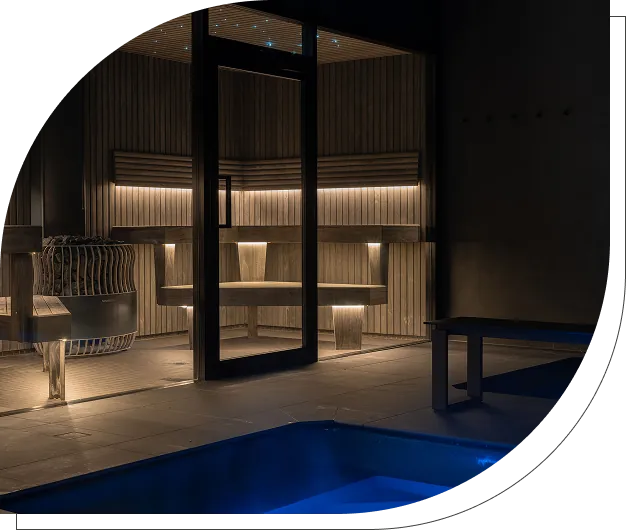
Haven’s mineral pool sits at 38°C, slightly above body temperature, but well below the sauna or steam room. That’s deliberate. At this temperature, the body is warm enough that pores are open and circulation is elevated, which supports absorption, but not so hot that you’re sweating or under cardiovascular stress.
It’s also simply the most comfortable temperature for extended soaking. Hot tubs that run at 40°C or higher are harder to stay in for long. At 38°C, you can comfortably stay for 20–30 minutes, which is the window where most of the mineral absorption and nervous system benefits occur.
The pool works best at the end of a thermal circuit, after the heat and cold, when the body is already relaxed, and the skin has been through cycles of sweating and cooling. That sequence opens and closes the pores repeatedly, which appears to support absorption more than a single long soak in isolation.
Oral magnesium versus soaking, do you need both?
They’re not the same thing, and they’re not interchangeable. Oral magnesium supplementation is more reliably dosed and probably more effective at correcting a clinical deficiency. Transdermal absorption through soaking is gentler, harder to dose precisely, and less likely to cause the digestive discomfort that some forms of oral magnesium produce.
The practical answer is that they complement each other rather than compete. If your levels are significantly low, oral supplementation (magnesium glycinate or magnesium malate are the better-tolerated forms) will correct the deficiency faster. Regular mineral pool soaking then becomes a pleasant and effective way to maintain those levels and get the added benefits of warm water and the broader session experience.